Mankind Cooperative Home

Category

Sustainable Living

17 articles

Strength in Numbers: How Consumer Cooperatives Are Beating Big-Box Prices Without Selling Out Their Values

Strength in Numbers: How Consumer Cooperatives Are Beating Big-Box Prices Without Selling Out Their Values

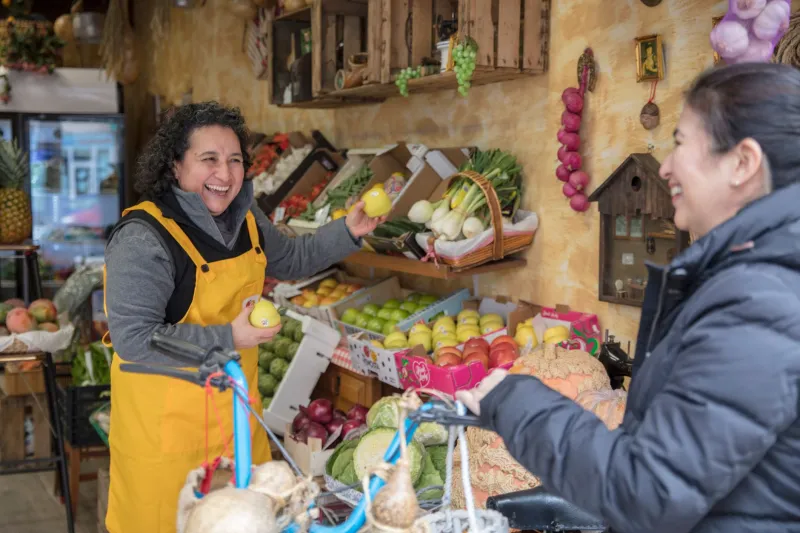
Across the United States, consumer cooperatives and neighborhood buying collectives are quietly dismantling the assumption that lower prices require corporate scale. By pooling their members' purchasing power, these community-owned enterprises are negotiating directly with producers, eliminating extractive intermediaries, and returning genuine savings to ordinary households — all while upholding the labor standards and environmental commitments that big-box retailers routinely sacrifice for marg

Money That Stays Home: The Growing Movement to Keep Community Wealth Circulating Locally

Money That Stays Home: The Growing Movement to Keep Community Wealth Circulating Locally

Across the United States, communities are quietly building their own monetary ecosystems — local currencies, time banks, and barter networks that redirect spending power away from distant corporations and back into the hands of neighbors. These complementary exchange systems are not utopian experiments; they are functioning economic tools with measurable results, and their moment may finally be arriving.

Equity Beneath Your Feet: How Housing Cooperatives Are Turning Renters Into Stakeholders

Equity Beneath Your Feet: How Housing Cooperatives Are Turning Renters Into Stakeholders

Across the United States, a quietly transformative model of homeownership is giving working families something the private rental market has long withheld: a genuine stake in the place they call home. Limited-equity housing cooperatives and co-housing communities are dismantling the predatory landlord dynamic one shared wall at a time. This is not merely a housing story — it is a story about who gets to build wealth in America, and who has been systematically prevented from doing so.

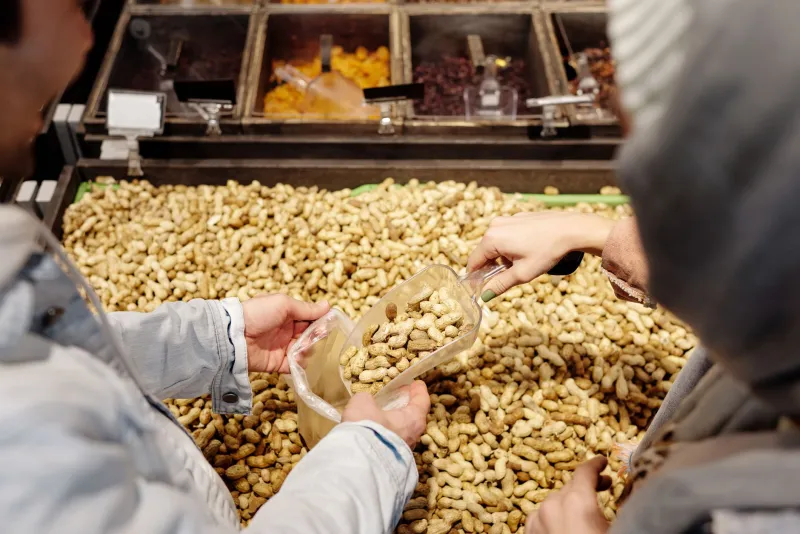
Shelves Owned by the People Who Need Them Most: The New Wave of Equity-Building Grocery Cooperatives

Shelves Owned by the People Who Need Them Most: The New Wave of Equity-Building Grocery Cooperatives

As supermarket chains continue to abandon low-income neighborhoods in pursuit of higher-margin markets, a new generation of member-owned grocery cooperatives is stepping into the void — not merely as food providers, but as wealth-building institutions. These are not your conventional natural-foods co-ops catering to affluent consumers; they are community-controlled enterprises designed from the ground up to turn grocery shoppers into equity holders. The model is young, but its implications for e

Governed by the People Who Show Up: Inside America's Parent-Teacher Cooperative Schools

Governed by the People Who Show Up: Inside America's Parent-Teacher Cooperative Schools

Across the United States, a growing number of families and educators are abandoning the top-down administrative model of conventional schooling in favor of institutions they govern together. These cooperative schools and homeschool collectives are proving that when authority is distributed rather than concentrated, education becomes more responsive, more culturally grounded, and more affordable for the families it serves.

Splitting the Cart: How Neighborhood Buying Clubs Are Making Wholesale Prices a Working-Class Right

Splitting the Cart: How Neighborhood Buying Clubs Are Making Wholesale Prices a Working-Class Right

Across the country, working families are discovering that the deepest grocery savings have never required a warehouse membership card — only a few trusted neighbors and a shared spreadsheet. Neighborhood buying clubs are pooling purchasing power to unlock wholesale pricing that was once the exclusive domain of the affluent. In doing so, they are quietly rebuilding the communal infrastructure that the modern consumer economy spent decades dismantling.

Voltage From the Commons: How Rural Communities Are Taking Ownership of Their Own Energy Future

Voltage From the Commons: How Rural Communities Are Taking Ownership of Their Own Energy Future

Across rural America, a quiet but consequential shift is underway as communities pool their resources to generate, own, and govern their own clean energy infrastructure. Cooperative solar and wind projects are dismantling the logic of centralized utility monopolies and redirecting the wealth of energy production back into the hands of local residents. This is not merely a story about electricity—it is a story about sovereignty.

Pooling Our Wellbeing: The Rise of Community-Centered Health Networks Beyond the Insurance Industry

Pooling Our Wellbeing: The Rise of Community-Centered Health Networks Beyond the Insurance Industry

Across the United States, a growing number of Americans are stepping outside the traditional insurance marketplace to build cooperative health networks grounded in mutual accountability, preventive care, and shared financial risk. These models—ranging from health-sharing ministries to direct primary care collectives—are demonstrating that community solidarity can be as powerful a medicine as any pharmaceutical. Yet questions of equity and inclusion remain essential to ensuring these innovations

Owned by Everyone, Wasted by No One: The Quiet Power of America's Tool-Sharing Movement

Owned by Everyone, Wasted by No One: The Quiet Power of America's Tool-Sharing Movement

Across American neighborhoods, a growing network of tool libraries and equipment cooperatives is challenging the assumption that ownership is the only path to access. By pooling expensive machinery and construction gear into shared community resources, these organizations are simultaneously reducing manufacturing waste and weaving the kind of durable social fabric that consumer culture systematically unravels.

Crooked Carrots, Straight Priorities: How Food Co-ops Are Transforming Discarded Produce Into Community Capital

Crooked Carrots, Straight Priorities: How Food Co-ops Are Transforming Discarded Produce Into Community Capital

Every year, billions of pounds of nutritious food never reach American tables — not because it has spoiled, but because it fails to meet the cosmetic standards of conventional grocery supply chains. A growing network of food cooperatives is refusing to accept that logic, building closed-loop systems that convert surplus and imperfect produce into living wages, affordable nutrition, and genuine community wealth.

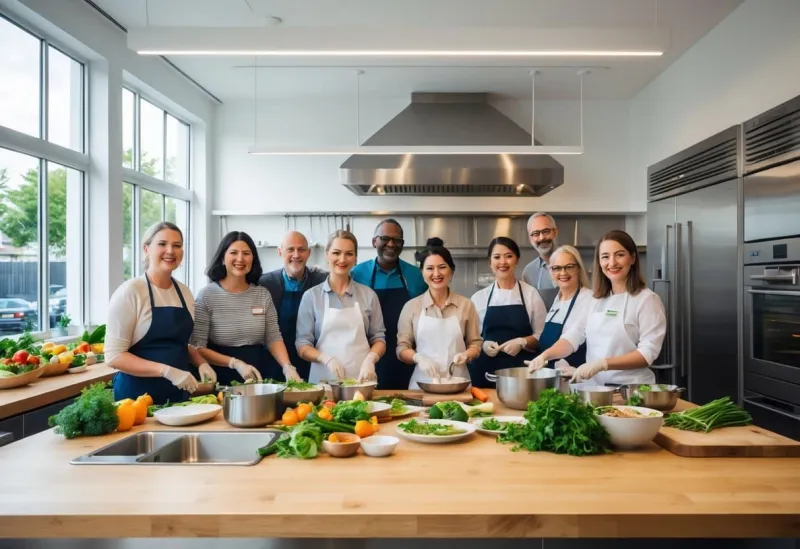
From Home Oven to Open Door: How Community Commercial Kitchens Are Democratizing Food Entrepreneurship

From Home Oven to Open Door: How Community Commercial Kitchens Are Democratizing Food Entrepreneurship

Across the United States, a quiet revolution is unfolding in shared commercial kitchen spaces where aspiring food entrepreneurs — many of them home bakers, immigrant cooks, and neighborhood artisans — are launching businesses without the crushing burden of capital investment. These cooperative and community-owned facilities are not merely practical infrastructure; they represent a fundamentally different vision of who gets to participate in the food economy. By pooling resources and sharing cert

Raising Children Together: The Quiet Revolution of Parent-Run Childcare Cooperatives

Raising Children Together: The Quiet Revolution of Parent-Run Childcare Cooperatives

Across American neighborhoods, families are stepping outside the market-driven childcare system and building something more durable: cooperative networks grounded in shared responsibility, mutual trust, and collective values. These parent-led models are not only reducing the crushing financial burden of early childhood care but are quietly reshaping what community means in the twenty-first century.

Trusted by Their Neighbors: How Americans Are Building Authority Outside the Credentialing System

Trusted by Their Neighbors: How Americans Are Building Authority Outside the Credentialing System

Across the United States, a quiet but consequential shift is underway as individuals and communities begin to question who gets to decide who is qualified to teach, heal, and lead. Cooperative networks are forging alternative pathways to recognition that center demonstrated ability and communal trust over institutional endorsement. What emerges from this unlearning may reshape not just how Americans gain expertise, but how entire communities define value.

Screens Down, Doors Open: The Rise of Intentionally Analog Community Spaces Across America

Screens Down, Doors Open: The Rise of Intentionally Analog Community Spaces Across America

Across the United States, a quiet but deliberate movement is emerging: community spaces that are choosing to operate without digital infrastructure as a matter of principle, not poverty. From tool libraries that track inventory on handwritten ledgers to neighborhood gathering halls that prohibit devices at the door, these analog-first spaces are revealing something profound about what technology has been quietly displacing. What participants are discovering inside these spaces may be the most im

From Neighbor to Neighbor: How Mutual Aid Food Networks Are Restoring Dignity to American Tables

From Neighbor to Neighbor: How Mutual Aid Food Networks Are Restoring Dignity to American Tables

Across American cities, a quiet revolution in food sharing is replacing the transactional model of charity with something far more powerful: genuine community. Mutual aid food networks are not merely feeding people—they are rebuilding the social fabric that industrial food systems and economic inequality have steadily eroded. This is the story of what happens when neighbors stop waiting for institutions to solve hunger and start solving it together.

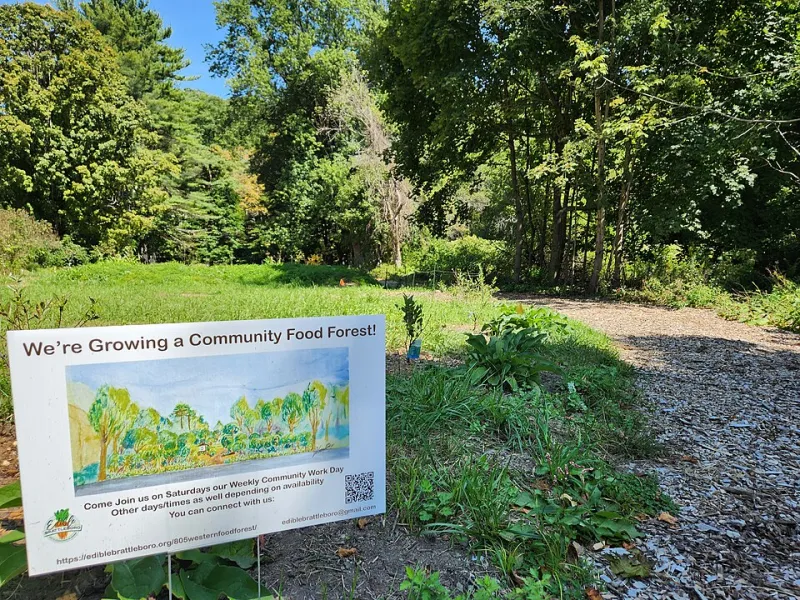
Planting Permanence: How Perennial Food Forests Are Replacing Charity With Community Abundance

Planting Permanence: How Perennial Food Forests Are Replacing Charity With Community Abundance

Across America, neighborhoods are transforming neglected vacant lots into layered, self-sustaining food forests that produce harvests year after year without dependence on donations or supply chains. This movement is not simply about growing food—it is about restructuring who controls access to it. Here is what communities are building, and how yours can join them.

Wrenches, Neighbors, and a New Economy: How Repair Collectives Are Reshaping American Communities

Wrenches, Neighbors, and a New Economy: How Repair Collectives Are Reshaping American Communities

Across the United States, a quiet revolution is unfolding in church basements, community centers, and converted storefronts — one soldering iron at a time. Repair cafes, tool libraries, and community fix-it shops are not merely mending broken appliances; they are stitching together stronger, more resilient neighborhoods. This movement represents one of the most tangible expressions of cooperative values available to ordinary Americans today.